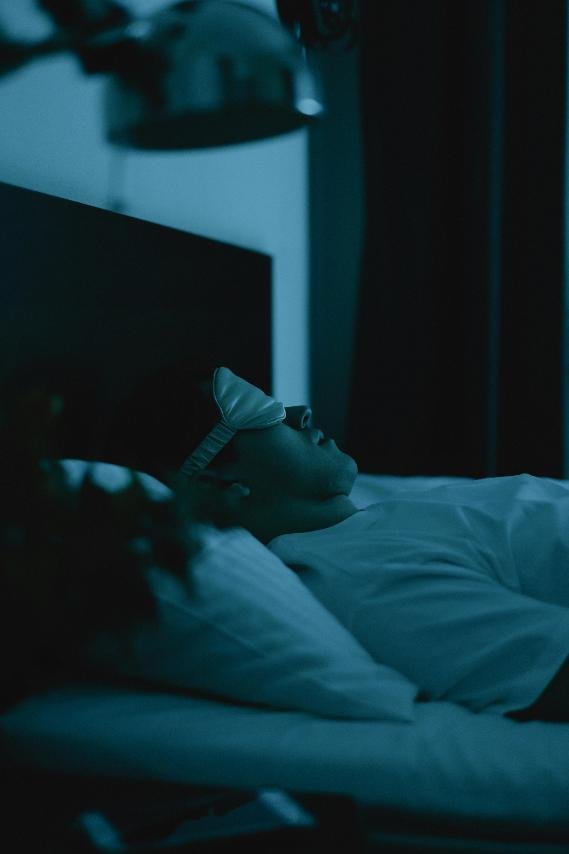
While sleep apnea is a term which is becoming more popular among Filipinos, the reality is it remains to be an unrecognized problem in the country. Sleep apnea is a disorder where the upper airway repeatedly blocks during sleep, causing pauses in breathing that lead to gasping, waking up, and feeling unrefreshed. Diagnosis typically requires assessment by a sleep specialist with subsequent testing with an overnight polysomnography test. Risk factors like obesity, high blood pressure and age increase the likelihood of developing sleep apnea in adults while enlarged tonsils is the most common cause among the pediatric population.

Obstructive Sleep Apnea (OSA) is the most common type, where the airway is physically blocked due to relaxation of the muscles of the upper airways.
Diagnosis: Screening for sleep apnea requires a comprehensive sleep history taking and questionnaires are often used as a first step to assess risk with referral to sleep physician/specialist
An overnight sleep study (polysomnography) is still the gold standard.
Treatment: Treatment options are available and can help manage the condition.
CPAP (Continuous Positive Airway Pressure): The most common therapy.
Oral appliances: Devices that can help keep the airway open.
Surgery: In some cases, removing tissue or shrinking tissue may be an option.
Lifestyle changes: Addressing risk factors like weight and smoking can help.