Education
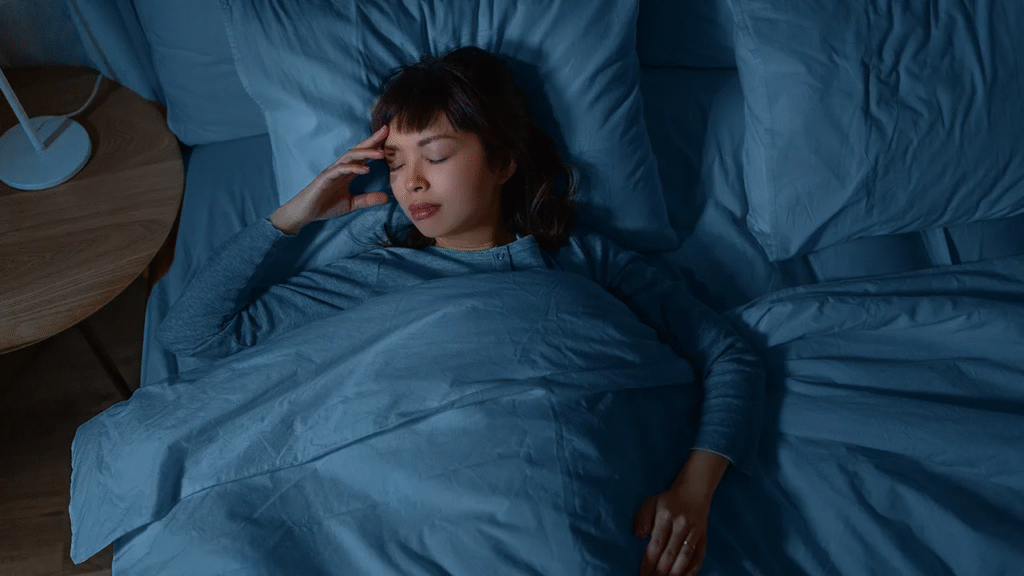
A sleep disorder disrupts and disturbs your overall quality of life. It can affect a child, teen, adult, parent or senior citizen.
Sleep apnea, in which breathing stops or gets very shallow during sleep. Each pause typically lasts 10-20 seconds or more, and can occur 20 to 30 times an hour.
Insomnia, which includes difficulty falling asleep, difficulty staying asleep, waking up too early and/or poor quality of sleep.
Restless Legs Syndrome (RLS), characterized by a strong, often uncontrollable urge to move your legs immediately before sleep, or other odd feelings like burning, prickling, itching or tingling.
Periodic Limb Movement Disorder (PLMD), in which patients have repetitive, uncontrollable and often imperceptive muscle spasms during non-REM sleep.
Narcolepsy, sometimes called “sleep attacks,” means falling asleep at unusual times and in awkward places.
Parasomnias, a category of undesirable physical or verbal behaviors during sleep, such as sleepwalking, bed-wetting, teeth grinding, frequent nightmares, night terrors, nocturnal seizures or sleep paralysis.

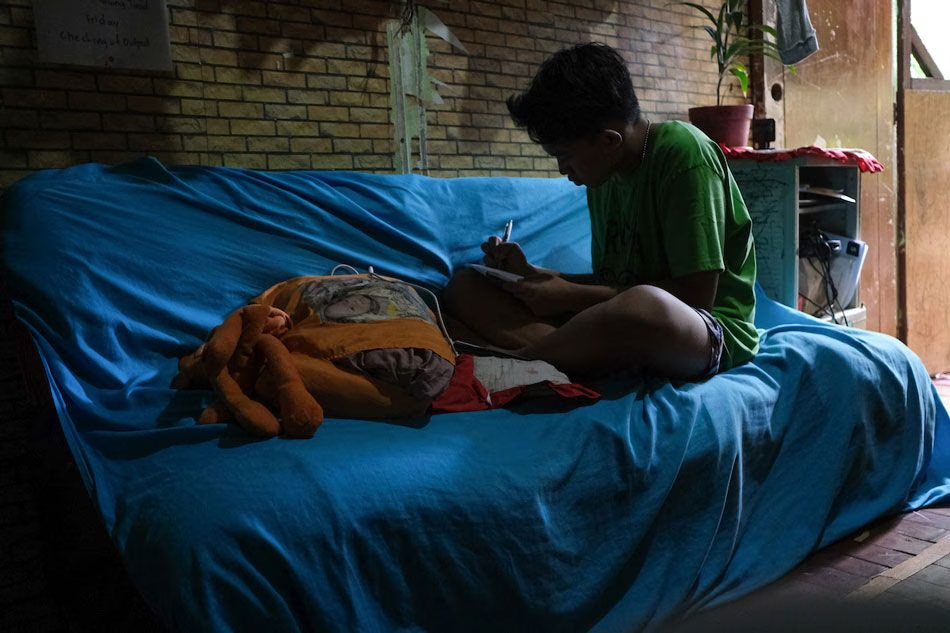
Going by the statistics, 20% of people in the Philippines are sleep deprived, simply because of reasons that range from lifestyle changes like odd-working hours, to personal obligations and relationship worries. Besides that, the anxiety, tension and nervousness which develops due to work pressure, household issues or personal relationships also affect sleep, leading to sleep disorders.
Yes – some of the common risk factors for sleep disorders include:
Age: While sleep problems affect all ages, they’re more common in middle and older-age adults. Children have different sleep patterns, resulting in unique pediatric sleep problems.
Gender: Women are more likely to suffer from insomnia; men are more likely to have sleep apnea.
Weight: The more you weigh, the more likely you are to develop a sleep disorder.
Anatomy: Some people have structural abnormalities in the sinuses, mouth, throat or elsewhere in the upper airway.
Drug or alcohol use: Medications, alcohol or illegal drugs can interfere with normal sleep patterns or the ability to awaken from sleep.
Other medical problems: People who suffer from high blood pressure or depression are also at higher risk.
Sure – doctors call it “sleep hygiene.” Just like dental hygiene, developing the right habits can have a big impact on your health. Nighttime rituals might seem like a too-easy solution, but the following guidelines have been proven to be critical in establishing healthy sleep patterns:
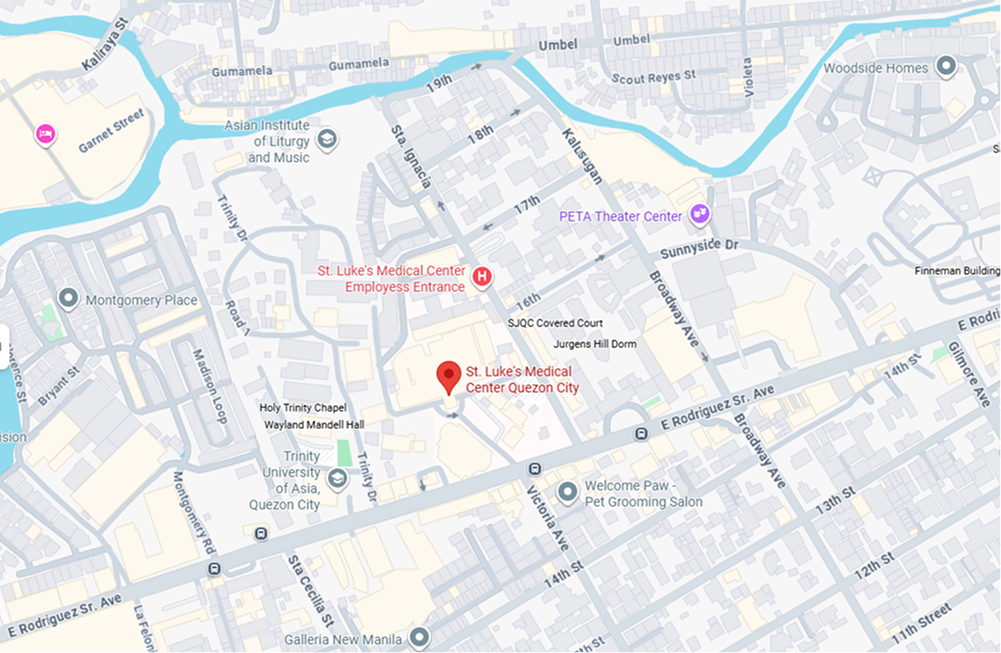
Comprehensive Sleep Disorders Center
St. Luke’s Medical Center
279 E Rodriguez Sr Ave Quezon City
09454300316
If you have any inquiries feel free to comment or ask.